Why should Roaccutane (Isotretinoin) prescribed by Dr. Banafseh Tamizifar be taken exactly as directed by the specialist?
(and precautions that should not be overlooked)
What is Roaccutane?
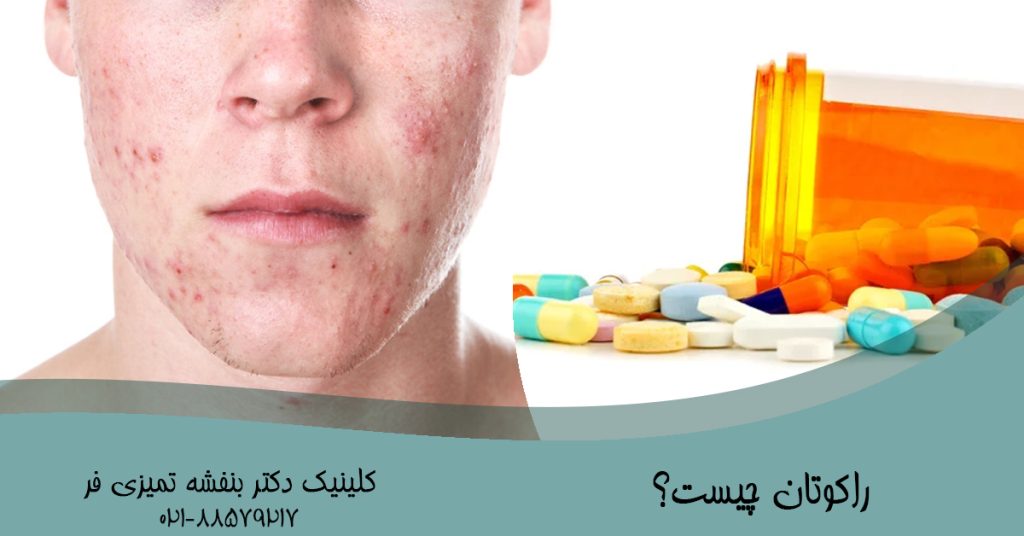
Roaccutane (scientific name: Isotretinoin) is a highly effective and powerful medication for treating severe or treatment-resistant acne. It is the only treatment that, in many cases, can permanently eliminate acne — but only if taken correctly, completely, and under the supervision of a dermatologist.
Why should the Roaccutane treatment be completed fully and taken consistently?
According to the AAD and Mayo Clinic guidelines:
Incomplete use or premature discontinuation of Roaccutane can:
cause acne to recur
lead to relative resistance to subsequent doses
increase the likelihood of needing a second treatment course
reduce the drug’s effectiveness and increase the risk of scarring
According to research by Johns Hopkins:
Completing the full course of isotretinoin treatment increases the chance of lasting improvement by up to 80%.
Roaccutane is not a risk-free medication, but its risks can be fully managed under professional supervision.
Therefore, adhering to the prescribed dose, undergoing regular blood tests as directed by the doctor, following dietary restrictions, managing drug interactions, and attending targeted monthly follow-ups are essential and should not be overlooked.
Important Precautions During Roaccutane Treatment
(Based on recommendations from the AAD and DermNet)
1. Regular blood tests
Including blood lipids (triglycerides, cholesterol), liver enzymes, and complete blood count (CBC/diff)
Usually performed monthly
2. 100% Pregnancy Prevention
Isotretinoin is highly teratogenic (causes severe birth defects)
According to FDA and AAD guidelines, pregnancy must be avoided at least one month before, during, and one month after isotretinoin treatment.
3. Care for Dry Skin and Lips
Continuous use of moisturizer, lip balm, and artificial tears (if experiencing dry eyes)
4. Avoid Direct Sun Exposure
The skin becomes highly sensitive to sunlight
Using a physical sunscreen with high SPF is essential
5. Avoid simultaneous use of exfoliants or irritating treatments
Such as topical retinoids, AHA/BHA, microdermabrasion, or chemical peels
6. Do not use interacting medications without consulting your doctor
Such as tetracyclines or antibiotics that carry a risk of increased intracranial pressure
What to Do After Completing Roaccutane Treatment?
The skin remains sensitive for several months after completing treatment.
The use of sunscreen, moisturizer, and gentle cleanser should be continued.
Some lasers should not be performed during Roaccutane treatment. Fractional lasers and hair removal lasers can be used, but only under the supervision of your dermatologist.
Non-essential and cosmetic surgeries should be avoided due to the increased risk of keloid formation.
If acne symptoms return, it is essential to consult your doctor for re-evaluation.
Conclusion:
Roaccutane is one of the most effective medications for severe acne — but like any powerful drug, if used carelessly or inconsistently, it can be ineffective or even dangerous.
“Therefore, please:
Adhere to your doctor’s treatment plan.
Take your tests seriously.
And by following the precautions, allow this medication to achieve its best results for you.