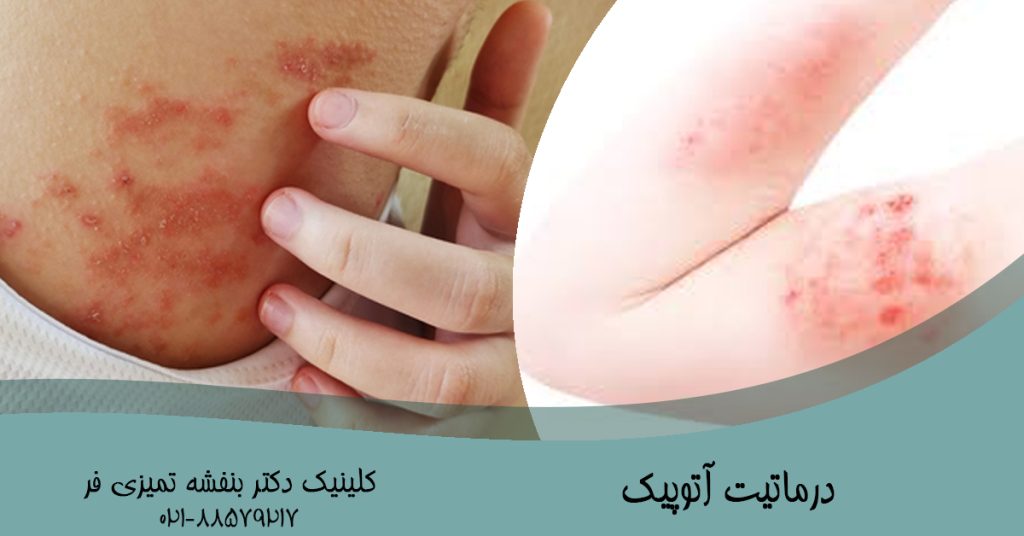
What is Atopic Dermatitis?
Atopic dermatitis, also known as constitutional eczema, is a chronic inflammatory skin condition characterized by dryness, itching, and skin inflammation. It often begins during infancy or childhood but can persist into adulthood or even start in adulthood.
Characteristics of Atopic Dermatitis:
It is cyclical: appearing in flare-ups and remissions.
It is sometimes associated with other atopic conditions such as asthma, seasonal allergies, or allergic rhinitis.
The skin’s barrier is weakened in this condition, making it easily irritated.
Causes and Contributing Factors (Based on AAD Guidelines)
Atopic dermatitis results from a complex combination of the following factors:
Genetics: Mutations in genes such as filaggrin, which are responsible for maintaining the skin barrier.
Skin barrier defect: loss of moisture and increased penetration of irritants or allergens.
Overactive immune system: abnormal inflammatory response to harmless substances.
Environmental factors: such as pollutants, detergents, dry weather, and stress.
Common Symptoms of Atopic Dermatitis
According to Mayo Clinic and AAD:
Dryness and roughness of the skin
Severe itching, especially at night
Inflammation, redness, and thickening of the skin (lichenification)
Skin cracks or oozing in severe cases
Sometimes discoloration of the affected area
In children: cheeks, elbow creases, and knee folds
In adults: neck, hands, around the eyes, and behind the knees
What Factors Trigger Eczema
According to AAD guidelines, triggering factors include:
Contact with harsh soaps and detergents
Hot water and long baths
Sweating and excessive heat
Cold and dry weather
Synthetic fibers or woolen clothing
Scratching the skin
Stress and anxiety
Certain foods (in susceptible children)
Recommended Treatments for Atopic Dermatitis (Stepwise Approach)
1. Skin Care (Fundamental Treatment)
Regular use of thick, fragrance-free moisturizers (2 to 3 times daily)
Short baths with lukewarm water, followed by immediate moisturizing (within 3 minutes rule)
Use of mild, non-soap cleansers
2. Topical Treatments
Topical corticosteroids (with potency appropriate for the area and patient’s age)
Topical calcineurin inhibitors (tacrolimus, pimecrolimus) for the face, eyelids, skin folds, or when long-term treatment is needed.
3. Immunosuppressive drugs and biologics in very severe and treatment-resistant cases.
4. Adjunctive Treatments
Antihistamines (help improve sleep and reduce nighttime itching)
Topical or oral antibiotics if signs of secondary infection are present
Lifestyle Recommendations and Prevention
Wear soft, cotton clothing
Avoid scratching itchy areas; in children, use gloves or keep nails short
Maintain ambient humidity using a humidifier or vaporizer.
Manage stress through meditation, play, counseling, or relaxation techniques.
Avoid allergens and irritants in the living environment (dust, detergents, pets).
When Should You See a Doctor?
Severe itching that disrupts sleep or daily life
Sores, oozing, or yellowish crusts (indicating a staphylococcal infection)
Inadequate response to topical treatments
Spread of eczema to new areas or sudden exacerbation
Scientific Summary
Atopic dermatitis is a chronic condition that requires careful and continuous management. Successful treatment is based on daily skin care, minimizing exposure to irritants, and the judicious use of medications.
Effective collaboration between doctor and patient, proper education, and continuous follow-up are key to successfully managing the condition