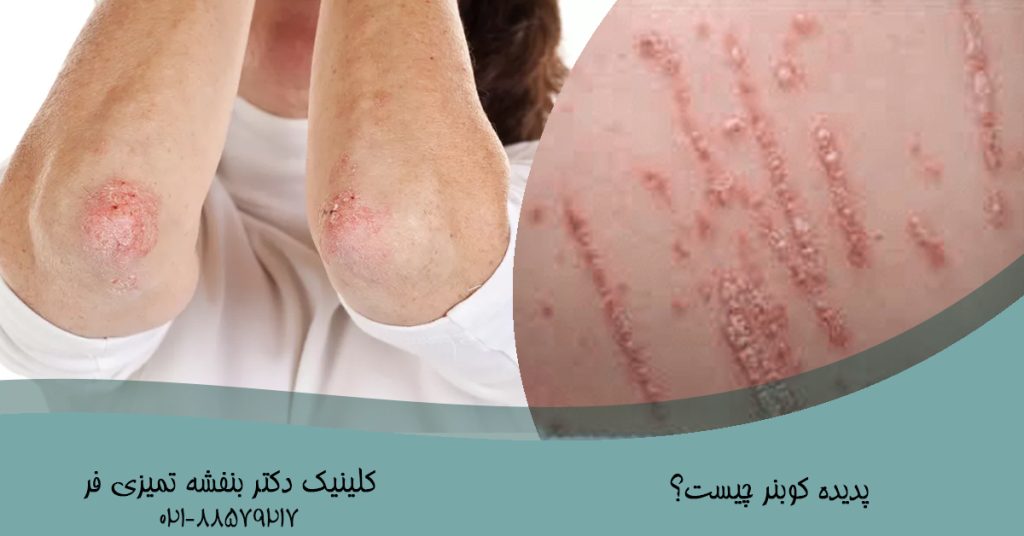
Koebner phenomenon Definition, Mechanism, Associated Diseases
Definition of the Koebner Phenomenon
The Koebner phenomenon refers to a condition in which new lesions of a specific skin disease appear at the site of injury or mechanical trauma on previously healthy skin. This phenomenon is usually observed in chronic inflammatory skin diseases and indicates an abnormal response of the epidermis to physical injury.
History of Naming
This phenomenon was first described in 1876 by the German physician Heinrich Koebner. He observed that in patients with psoriasis, skin scratches or mechanical injuries led to the appearance of new plaques at the injured sites.
Possible Mechanism
The exact mechanism of Koebnerization is not yet fully understood, but several hypotheses have been proposed:
- Activation of the innate immune system and T cells following trauma
- Release of cytokines and inflammatory factors
- Increased expression of adhesion molecules and antigens
- Abnormal keratinocyte response to mechanical stress
In genetically predisposed skin, this process leads to the development of lesions similar to the underlying disease.
Types of the Koebner Phenomenon
Classic (True Koebner): A new lesion appears with the same characteristics as the primary disease; observed in psoriasis, lichen planus, and vitiligo.
Pseudo-Koebner: Spread of infectious lesions (e.g., warts or molluscum) due to scratching or shaving.
Reverse Koebner Phenomenon: Improvement of lesions at the site of trauma (rare and opposite to the classic phenomenon)
Diseases in Which the Koebner Phenomenon Is Observed
Psoriasis
(Common) Occurs at sites of scratches, injections, burns, or scars.
Lichen Planus
(Common) Linear arrangement of lesions at sites of scratching or pressure.
Vitiligo
(Moderate to high) Depigmented lesions at the site of injury.
Cutaneous Lupus or Discoid Lupus Erythematosus (DLE)
(Can occur) At sites of sunburn or injury.
Other Diseases with Lower Probability
Lichen sclerosus, Pityriasis rubra pilaris, and some cases of GVHD may also show a positive Koebner phenomenon.
Time of Onset
Lesions usually appear 7 to 14 days after skin injury. However, in some patients, it may take up to 3 weeks.
What Types of Trauma Can Trigger Koebnerization?
- Repeated scratching
- Surgery, biopsy, or injection
- Burns or intense sunlight exposure
- Skin tattooing
- Friction from clothing or massage
- Even mild pressure (e.g., a clothing strap)
Clinical Message for Doctors and Patients
The presence of the Koebner phenomenon indicates that the underlying disease is active.
Patients should be educated to avoid skin trauma to prevent the spread of the disease.
In cosmetic procedures (such as laser, tattooing, microneedling, mesotherapy, etc.), if the patient exhibits the Koebner phenomenon, they should be performed with extreme caution or only with approval from a specialist physician.