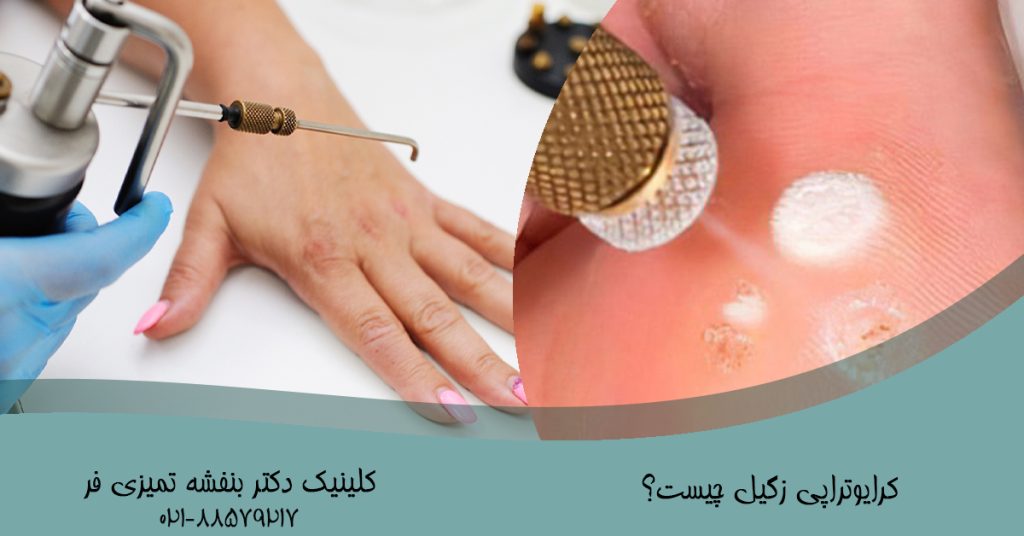
What Is Wart Cryotherapy?
Cryotherapy, also known as wart freezing, is a procedure in which liquid nitrogen at a temperature of about -180 to -196°C is used to freeze the wart cells and the HPV virus within them, leading to their destruction. This method is one of the most common non-surgical treatments for warts.
Indications / Applications
- common warts
- plantar warts
- Genital Warts (in certain cases, with caution)
Mechanism of Action
Freezing damages the cell membrane, ultimately causing cell death of the viral tissue (HPV-induced). Additionally, the immune system is attracted to the affected area, helping to eliminate the wart.
Potential Side Effects and Risks of Cryotherapy
They are mostly mild and temporary, but it is important to be aware of them:
Most Common:
Pain or burning sensation (during or after treatment)
Blistering (normal and indicates the treatment is working)
Redness and localized swelling
Peeling or superficial sores
Skin Discoloration: Darkening or lightening of the treated area (especially in darker skin tones), which usually improves over time.
Less Common but Important:
Secondary Infection (if the wound is not properly cared for)
Scarring or Permanent Mark (rare but possible)
Temporary or prolonged numbness or tingling (if superficial nerves are affected, usually in the hands or feet)
Post-Cryotherapy Care
1.Blister Care
If a blister forms and is small, do not touch it—it will be reabsorbed on its own. If it is large, drain the fluid but avoid breaking the blister’s surface, as it acts like a natural biological dressing over the wound.
If the blister bursts, wash the area with water and soap, apply diluted povidone-iodine (Betadine), and cover it with a sterile gauze if contamination is possible.
2.Use healing and anti-inflammatory creams, such as zinc oxide.
3.Cover the area (if necessary).
For areas with high friction or contamination (such as the soles of the feet or hands), use a dressing.
4. حمام و شستشو
You can bathe the day after cryotherapy.
Keep the area dry and avoid rubbing it with a towel.
5.Use Pain Relievers if Needed
Such as acetaminophen (paracetamol) or ibuprofen.
How Long Does It Take for a Wart to Fall Off?
Typically, 7 to 14 days after cryotherapy, the wart dries up and falls off.
Sometimes multiple treatment sessions are needed at intervals of a few weeks (every 2–3 weeks), especially for resistant warts or plantar warts.
Important Note About HPV
Cryotherapy treats the wart itself, but the HPV virus may still remain in the skin. Therefore, there is a possibility of wart recurrence, especially if the immune system is weak or the area is repeatedly irritated.
A wart is considered completely resolved when it has not recurred for two years.